
 English
 Deutsch
 Français
 中文
中文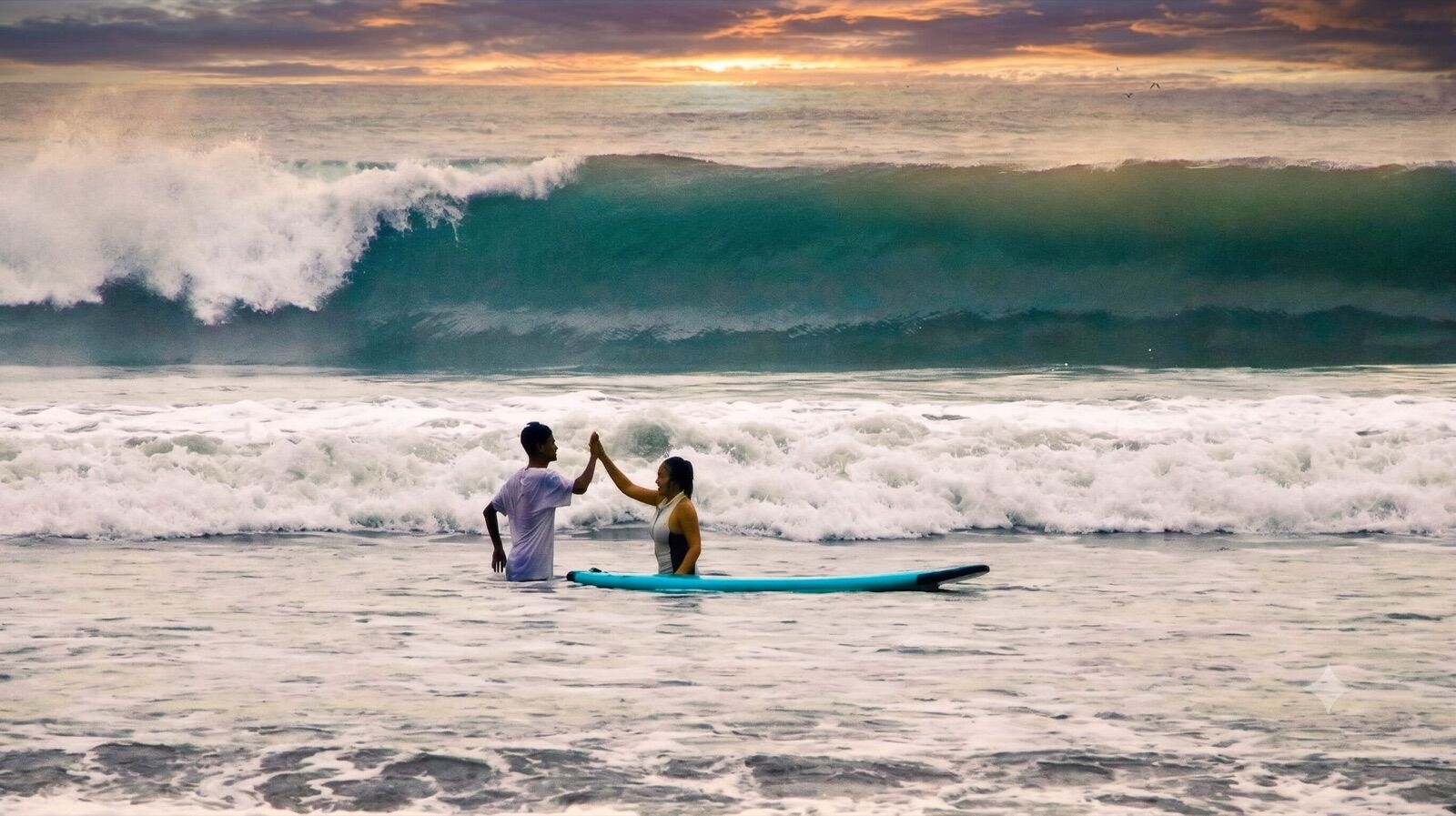
Surf Coaching · Medewi, West Bali
Become the surfer you keep meaning to be.
Surf coaching in Medewi and surf trips across Indonesia, from your first green wave to your next breakthrough.

Selamat datang · Welcome to DISINI
More waves. Faster progress. Less guesswork.
Disini means simply: here. Warm water, glassy morning sessions, and a crew that feels like family by day three. On Bali’s quiet west coast, this is the version of surfing you came here for, far from the crowds of Kuta and Canggu.
We sit right next to Medewi: Bali’s longest left, with a main break that rolls through three sections suited to every level, longboard or shortboard. Add fun beach breaks and quiet spots we pick based on the day’s conditions, and there’s always a forgiving wave to match your progress.
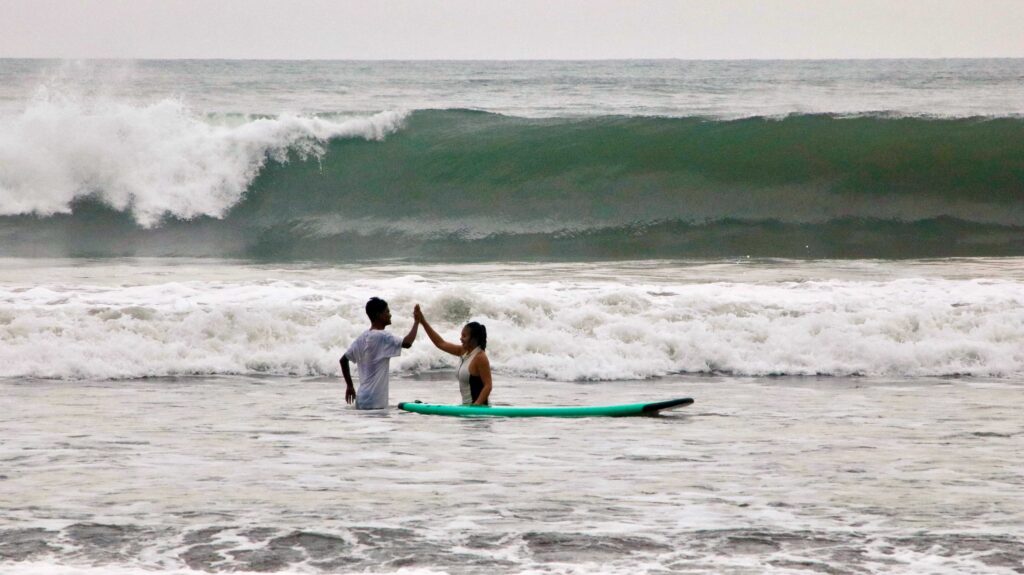
We prefer one-on-one private coaching so every wave is about you. Sometimes 1:2, but never a crowded group. Whether you’re standing up for the first time or chasing sharper turns, every session is backed by video analysis and theory so the progress actually sticks.
5.0 ★
35 Google Reviews
300 m+
Bali’s longest left
1:1 & 1:2
Personalized only
∞
Fun and good vibes
Surf Progress
The right wave, every session
Medewi Point, Sumbul beachbreak, and the hidden spots nearby: we read the swell, the tide, and your level to put you on the right wave.
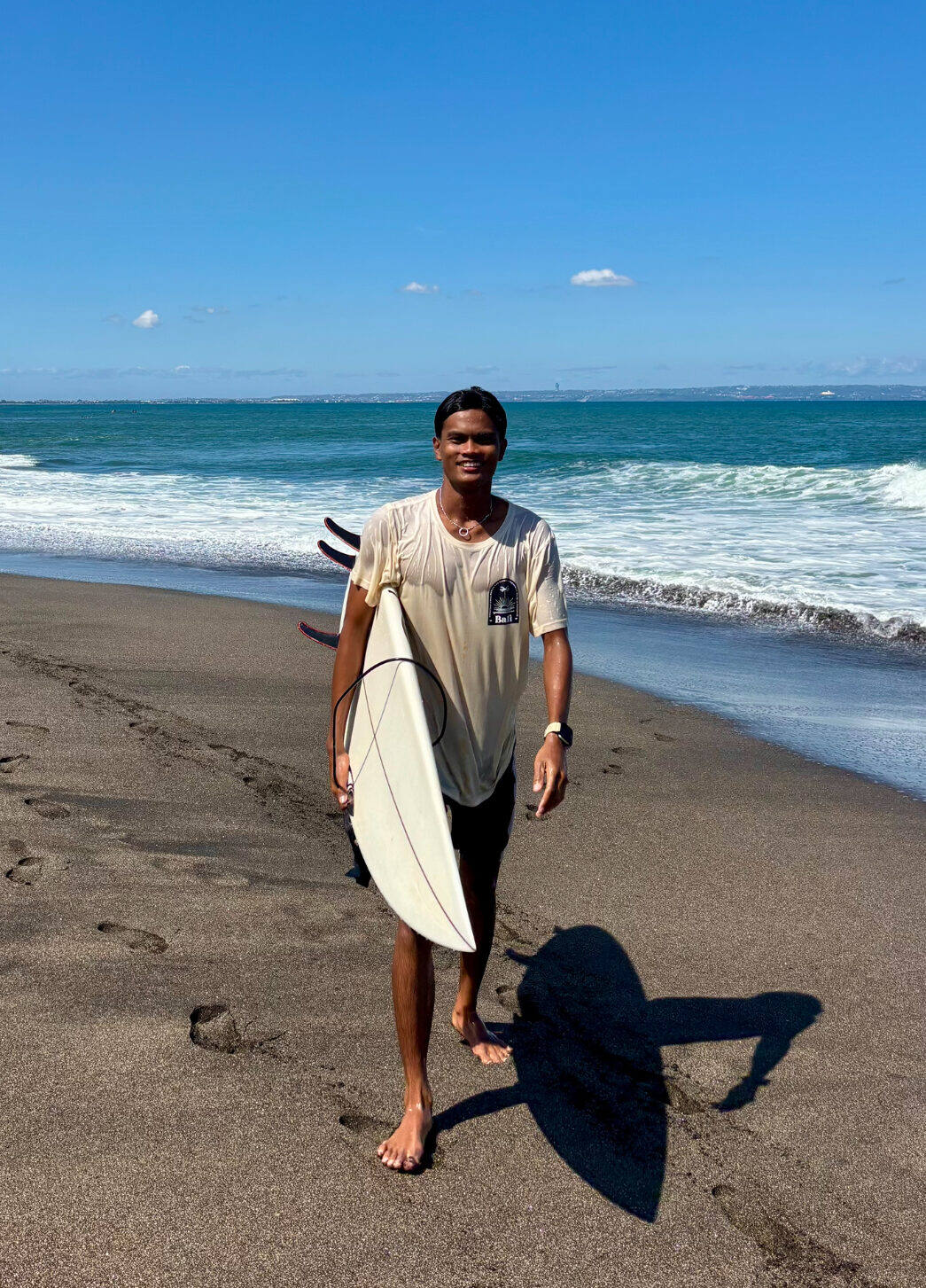
Hey, I’m Daffa
Your Surf Coach at Disini, Medewi
I grew up in Yeh Sumbul, right next to the ocean. I’ve been surfing since I was 10 and competing since I was 15, always for the love of it. I’m equally at home on a shortboard, a twin fin or a longboard, and I’ve spent years coaching at a well-known surf camp before starting Disini.
My home break is Sumbul Beach, where I learnt to read barrels before I knew what they were called. And if you ask me what my favourite wave in the world is, it’s the long left at Medewi Point. That’s the wave I want to share with you.
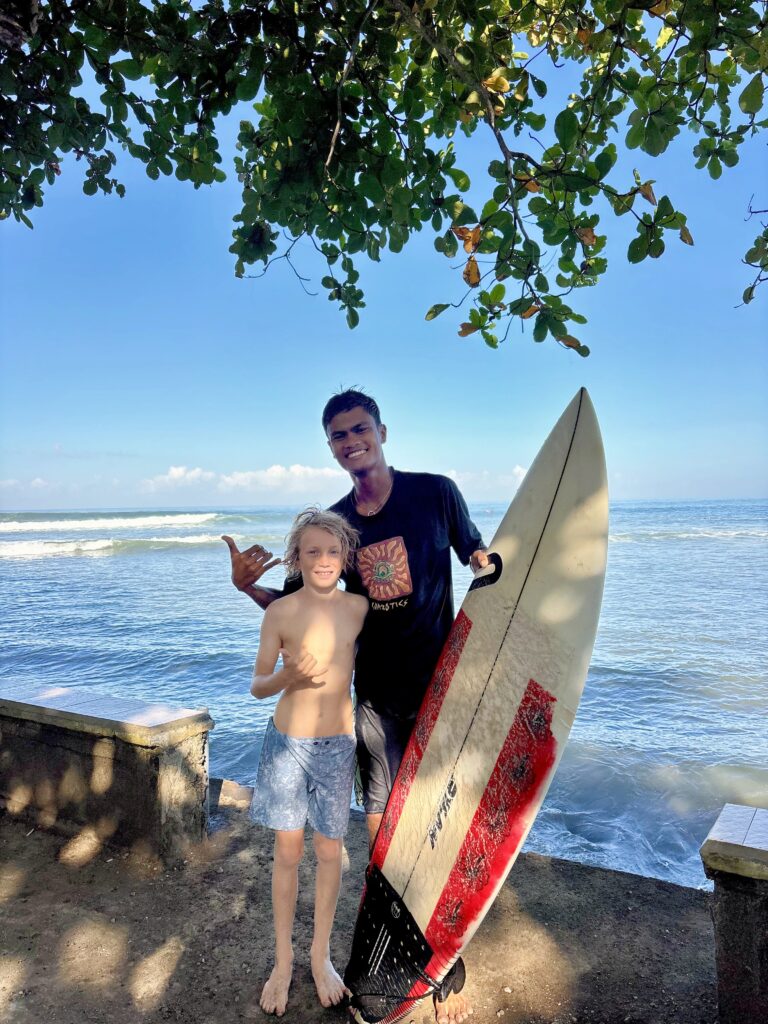
Every session I’ll keep it simple and personal: first getting to know you and a theory check so I know what you’re working on, then we paddle out and focus on the one or two things that’ll make the biggest difference to your surfing. No information overload. Just real, visible progress. I work with all levels, from your very first wave to advanced turns and competition prep. And yes, I’m great with kids too.
How we coach
How we get you surfing better

1:1 & 1:2 Coaching
Private sessions only, never a crowded group. Every wave is about you.

Theory
Around 30 minutes of theory and spot explanation before the session.

Video Analysis
See your surfing from the outside and fix what holds you back, session by session.

Progress That Lasts
Knowledge, confidence and tools that keep you improving long after you leave.
Your Perfect Day in Medewi
The day starts on the beach, coffee in hand, watching the sets roll in while the fishing village wakes up around you. We check the conditions together (swell, wind, tide) and find the best break for your level.
Medewi’s point break is at its cleanest in the morning: light offshore wind, long left-handers, barely a soul in the water. You paddle out when it’s right for you. This is how every day should start.
Around midday we slow it all the way down. Fresh-off-the-boat fish grilled at a beachfront warung minutes from the house: honest Balinese food from people we’ve known for years.
Think nasi campur, smoothie bowls and ice-cold coconuts while the surf keeps peeling out front. Or swing in a hammock and let the afternoon come to you.
Afternoons move at your pace. We sit down together and go through your video analysis: see exactly what’s working, what to fix, and what to focus on next. When the tide’s right, we paddle back out.
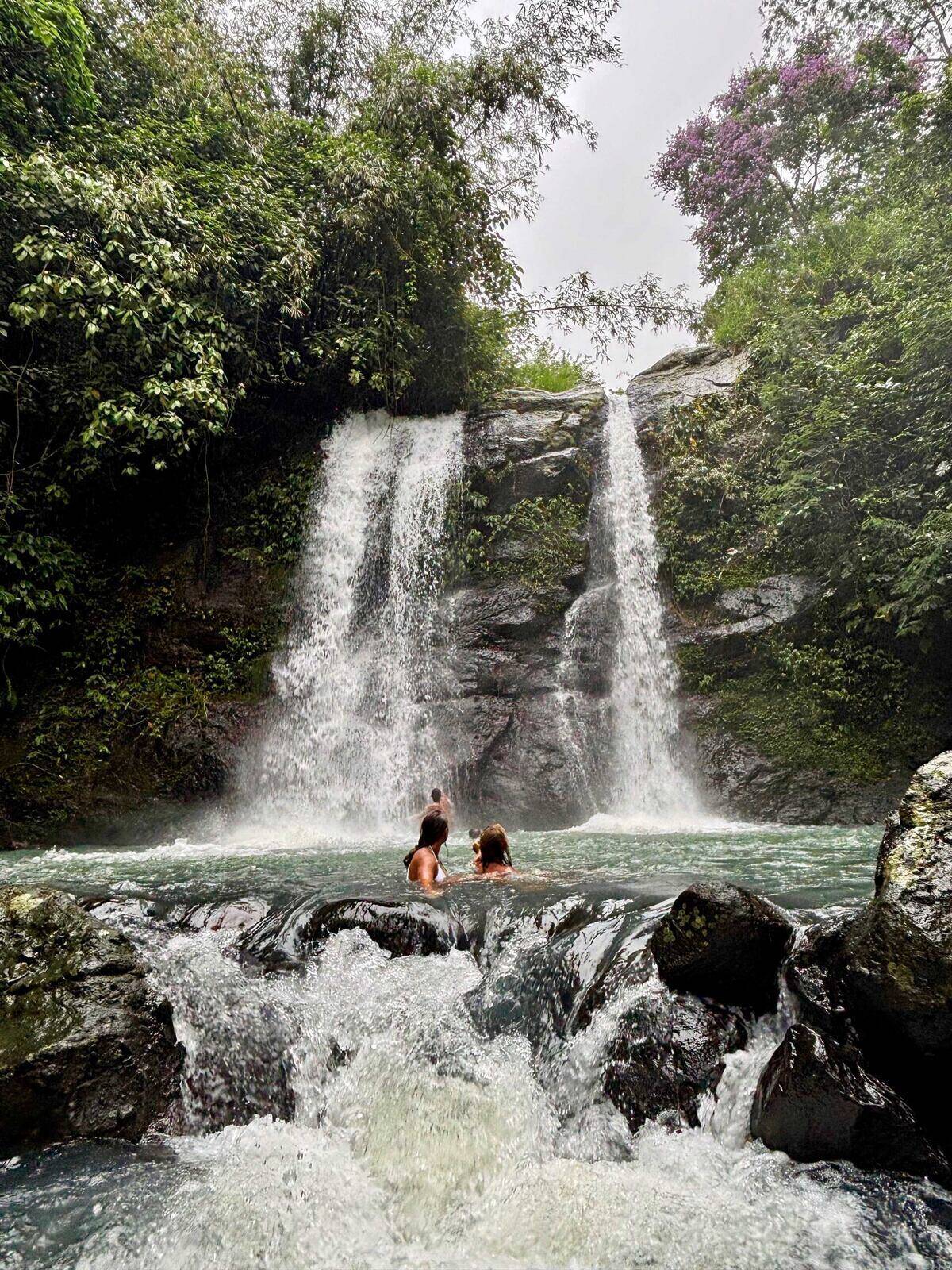
West Bali rewards the curious too: a clifftop sea temple, jungle rivers, hidden waterfalls, or rice paddies a few minutes away. Or just do nothing. This part of Bali was made for it.
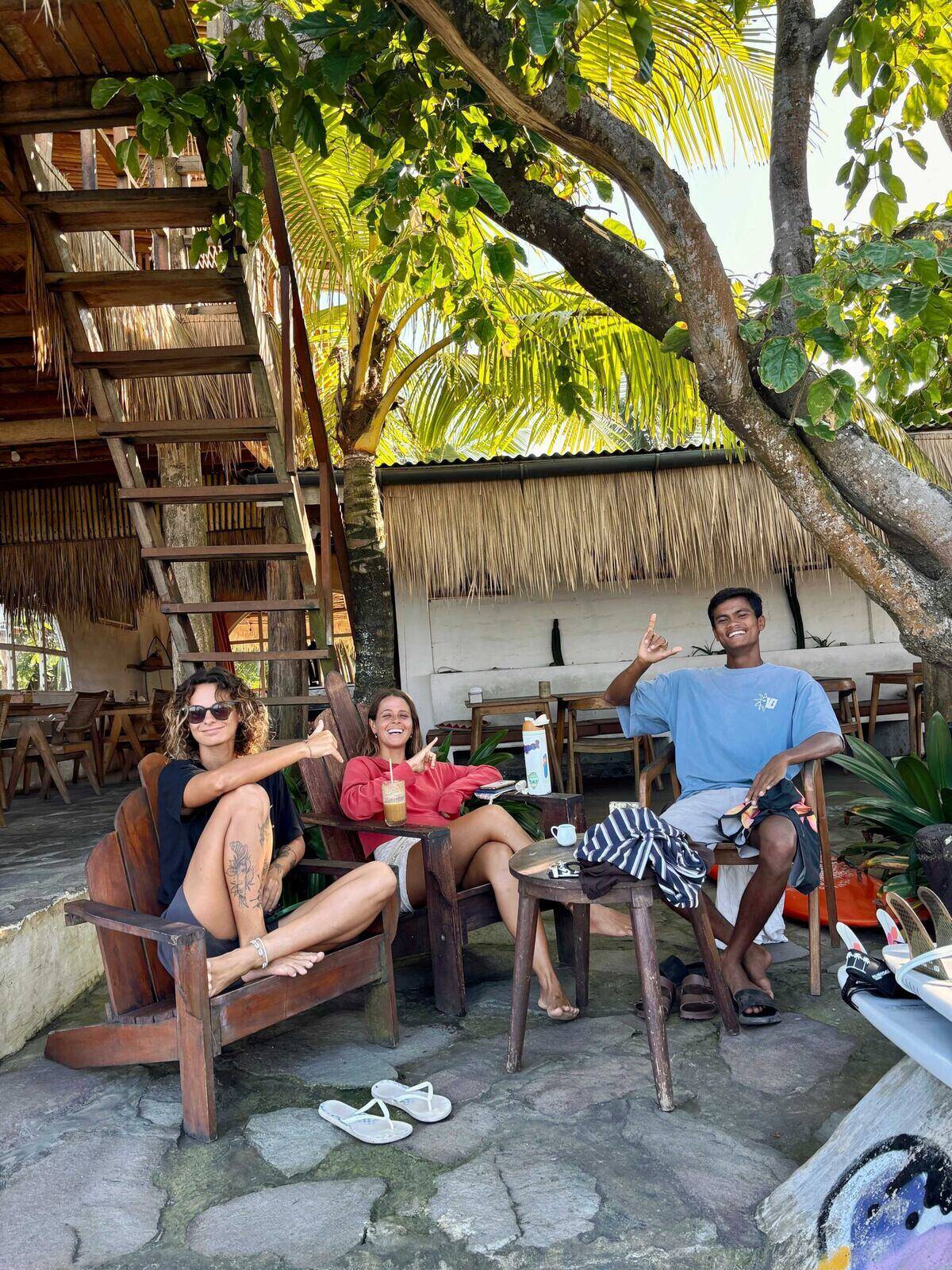
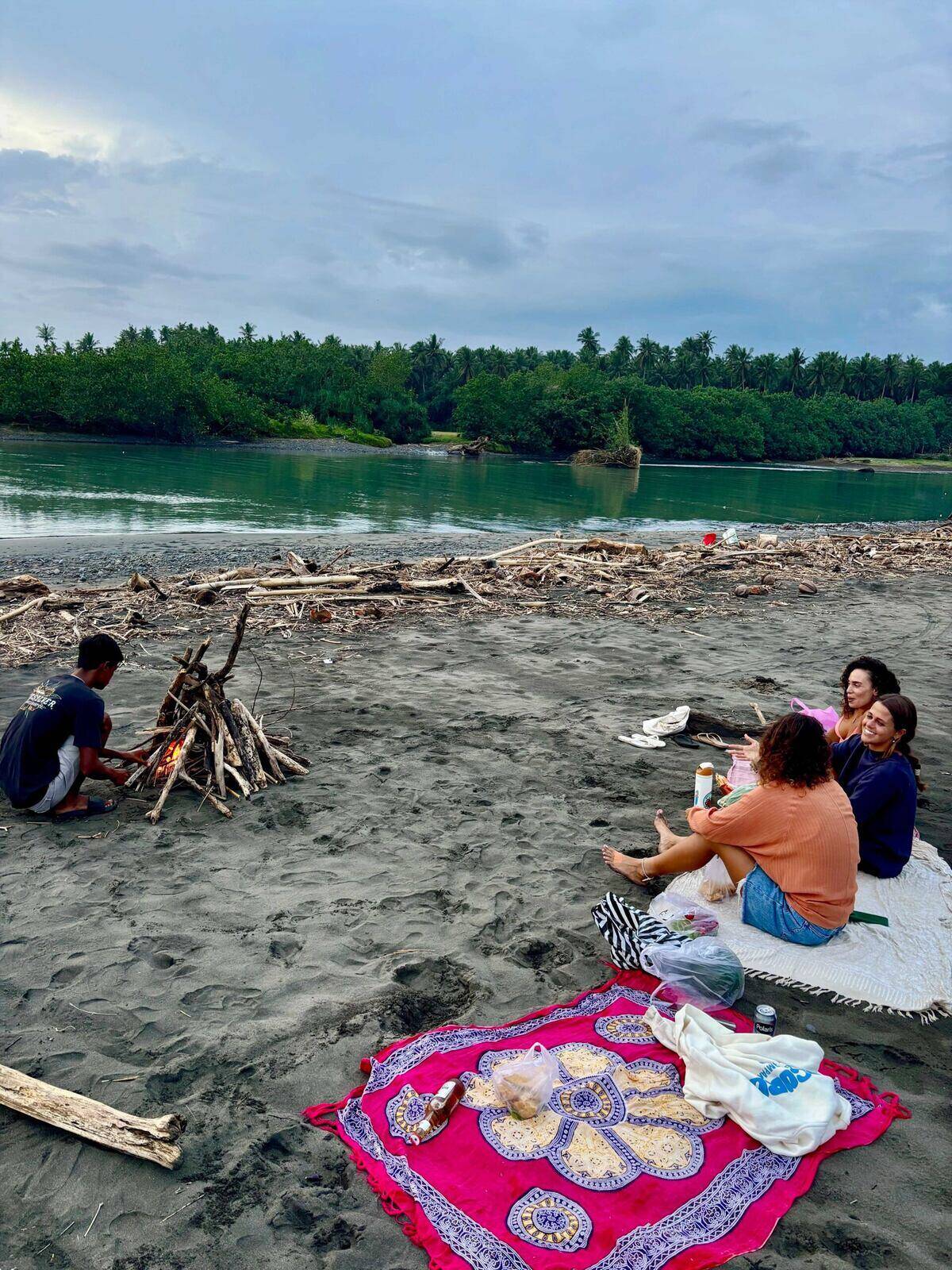
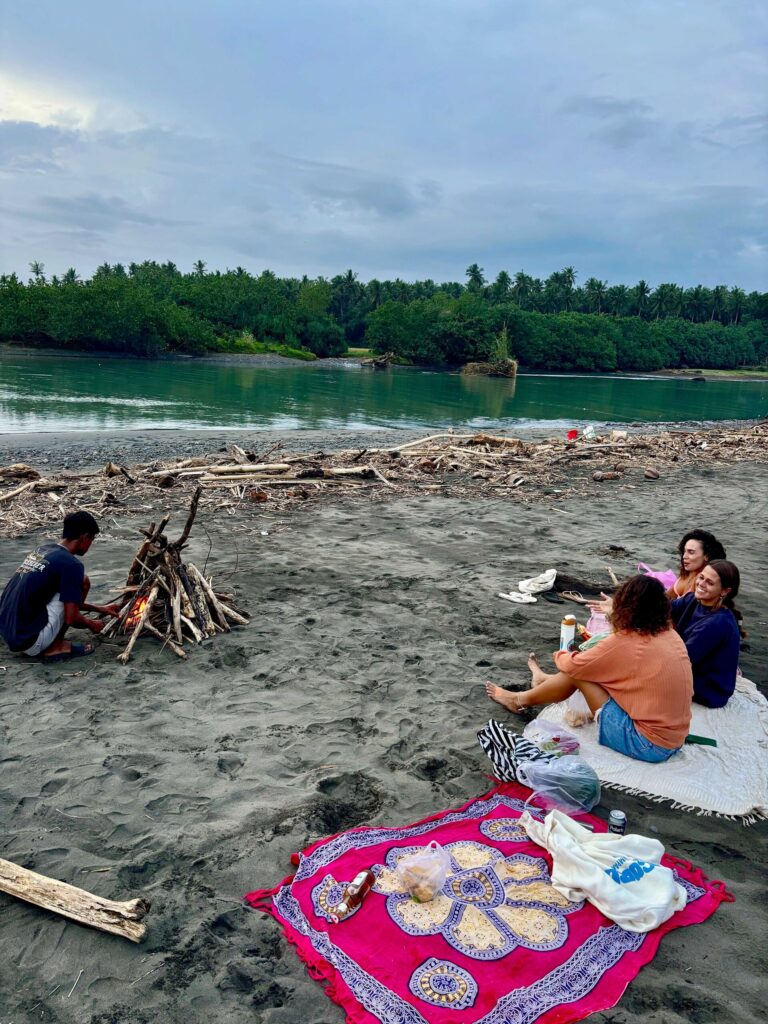
Sunset over the rice fields is mandatory. Some evenings it’s a community BBQ in the garden, others it’s billiards, cold Bintangs and stories about the wave you almost made.
For dinner we’ll point you to our favourite local spots, or the whole crew orders in together and shares a long table of good food, good people, and that quiet tired-happy feeling only a real day in Medewi gives you.

Reviews
What our guests are saying
shuchang liu
Disini is absolutely one of the best surf camps I have ever been to. I spent 2 weeks here, Daffa’s coaching helped me improve a lot of my surfing, his analysis is sooo good! Amazing time with the group here, best vibe in Medewi! See you next time!
kilian walter
I really enjoyed the surf coaching! Compared to other places in Bali, the quality here is excellent. The coaches take their time with each student and really focus on helping you progress. I can really recommend it if you are in the Medewi area and looking for surf coaching.
Nadine
I had several hours of surf coaching and I could not have wished for a better start. Daffa was attentive and encouraging, and at the same time he kept me relaxed. I felt completely safe, even though I had a lot of respect for the waves at first. He explained everything clearly and showed me step by step in the water what I could improve. After a single session I already felt much better on the board, and above all I had a lot of fun. I will definitely be back. A 100% recommendation for anyone who wants to learn to surf.
Translated from German
Lisa Kiehnle
Surf trips are so perfectly organized! Beautiful time with everyone and a lot of surf videos after. Also Daffa is helping me a lot to improve!
Yogini
I had such a great experience with the Disini Surfhouse! The coach is incredibly knowledgeable, patient, and truly passionate about surfing. What makes this special is not only the professional guidance but also the inspiring vision behind it. I can’t wait to come back and surf with you guys again.
Elin Zahner
The surf coaching was amazing! I would highly recommend it to anyone coming to Medewi!
Zarina Caley
I did a girls surf trip to Java with these guys. I cannot fault them. Everything was organised and professional and we got epic waves. I have also done a 1:1 coaching session with Daffa when I felt a little intimidated by the wave size. Daffa always had me in the right position and made sure I felt safe and happy, and gave me the confidence to go on waves I would usually pull back on. I literally got the best waves that day.
Markus Materla
Excellent surf lessons! Very professional, motivating and easy to follow. They take a lot of time to make sure you understand everything. Highly recommend.
Re Si
This was my first time on a surfboard and I felt safe in the water the whole time. Everything was explained patiently and clearly. You can tell how much experience and passion goes into the coaching here. Thank you!
Translated from German
Nina
Great surf instructor! It was my first surf lesson and I felt really safe. Very friendly and helpful. I would recommend it to anyone!
Translated from German
5.0 out of 5 from 35 reviews on Google. Read them all on Google
Life at Disini
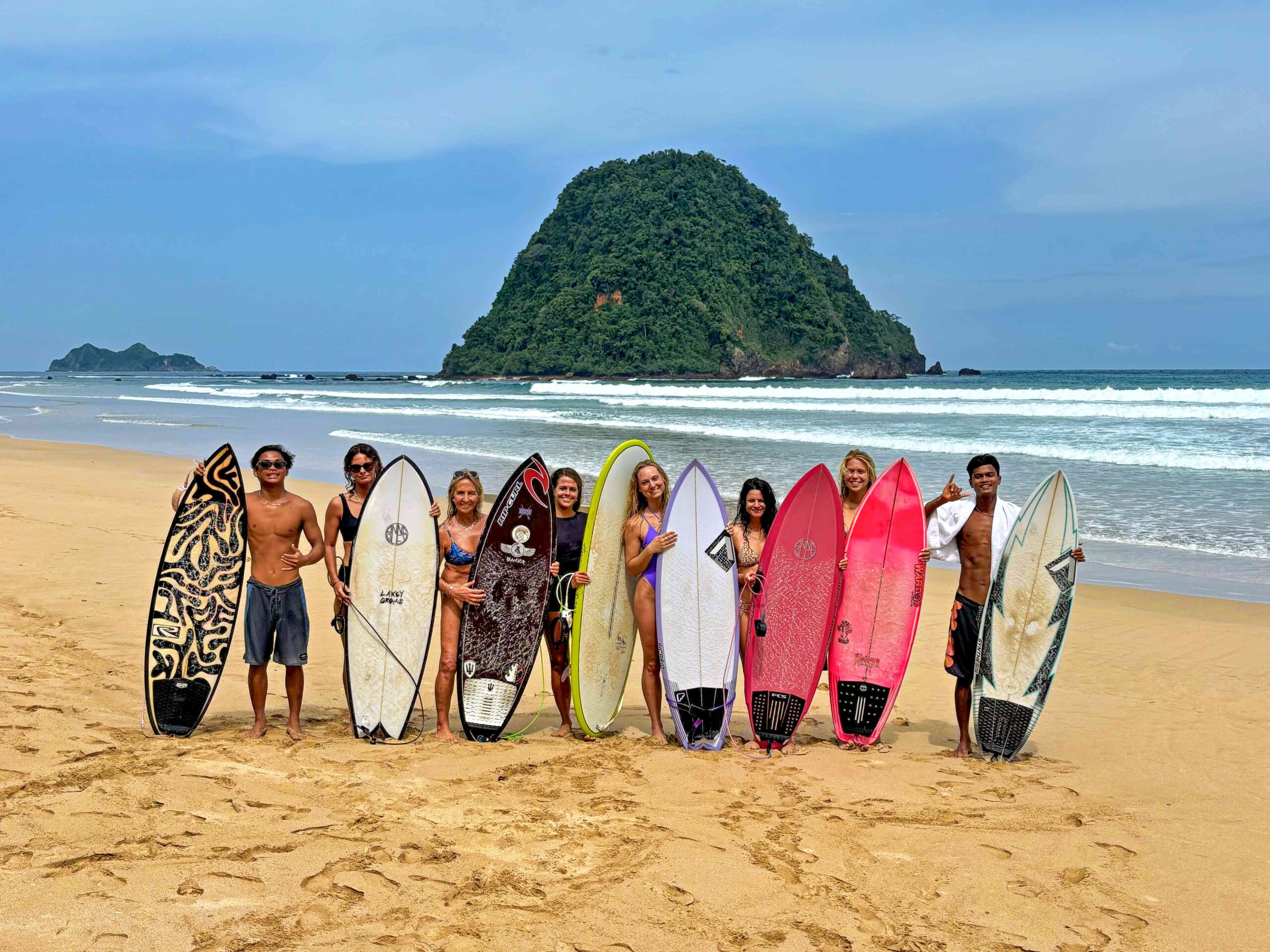
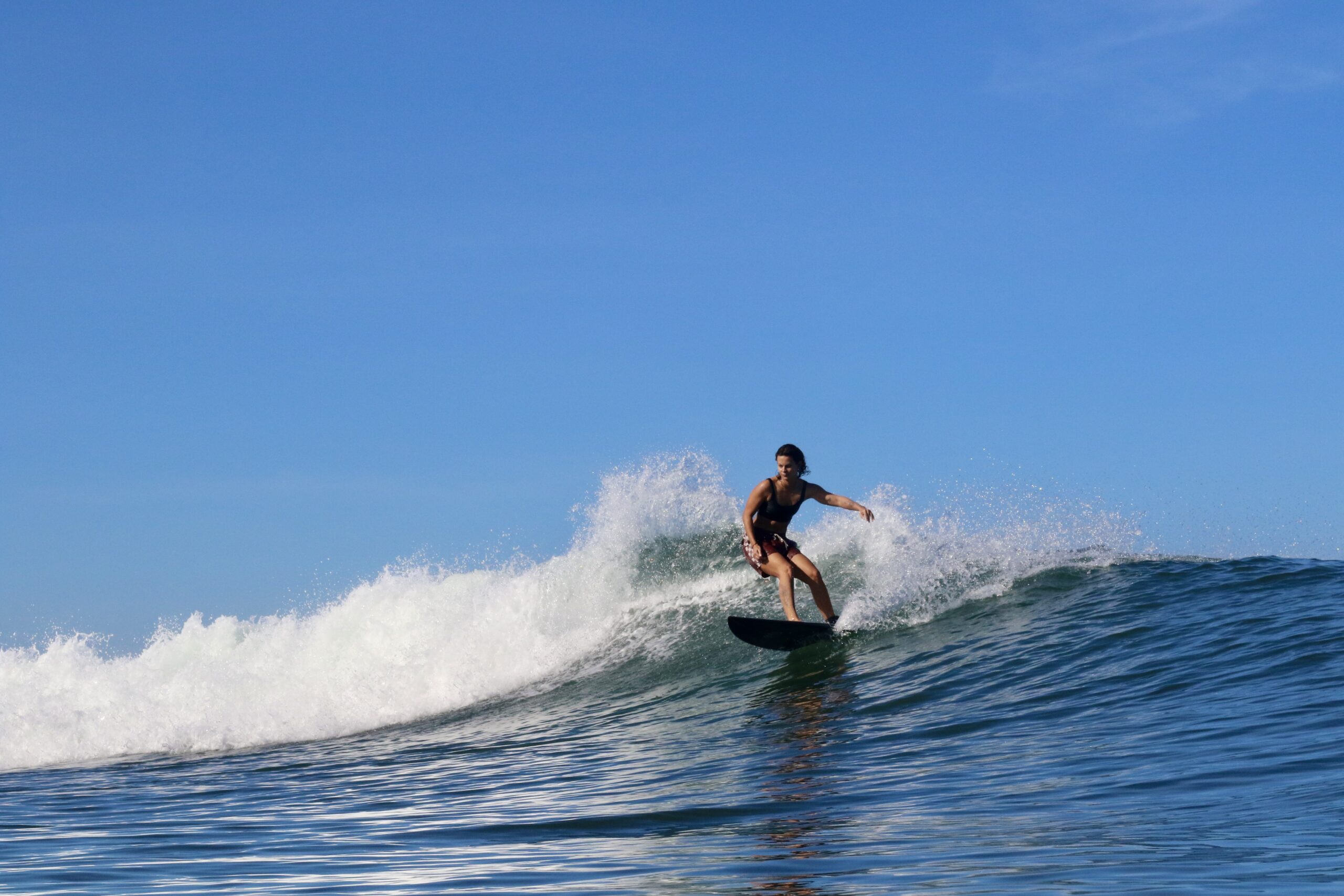
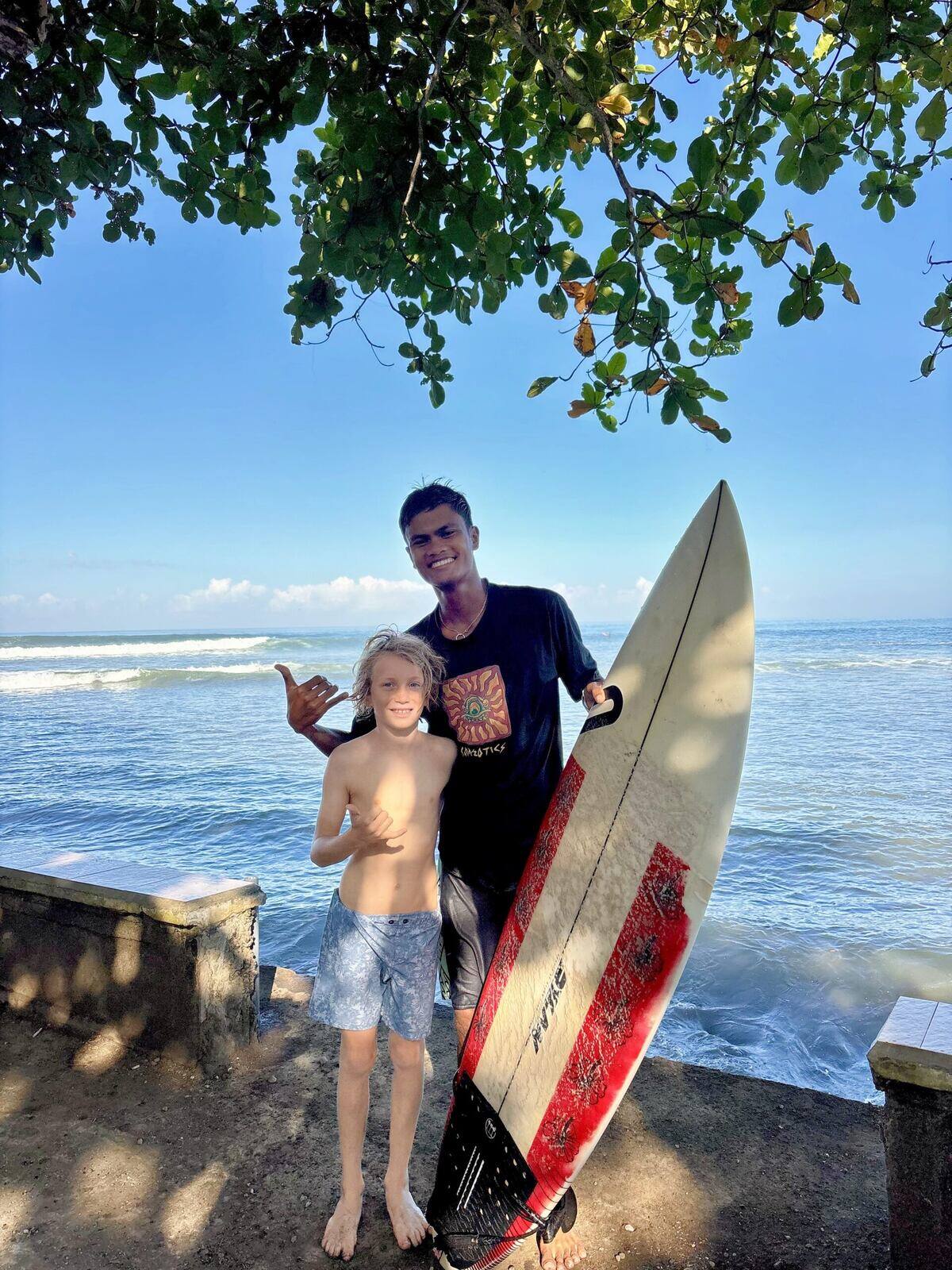
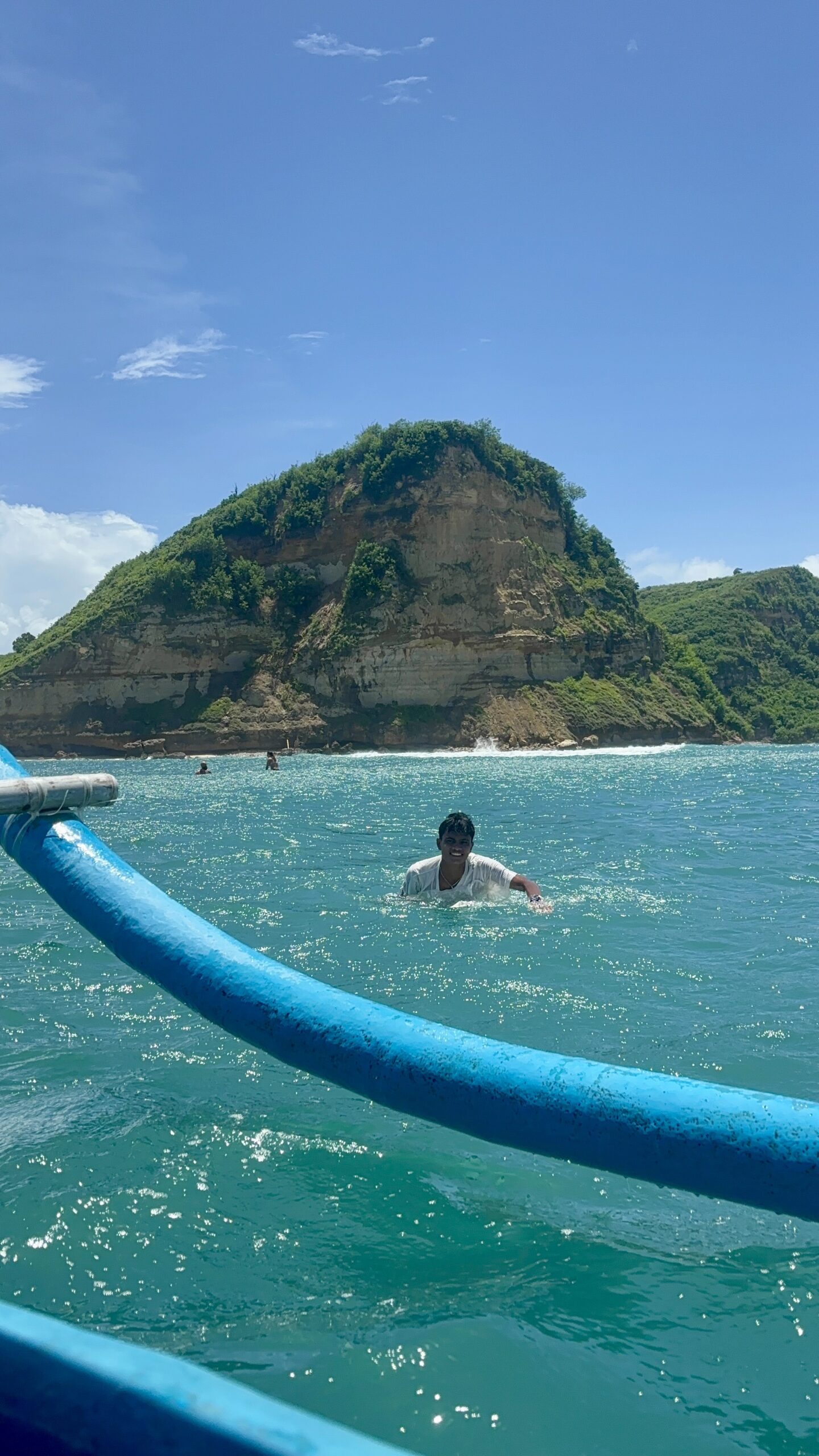
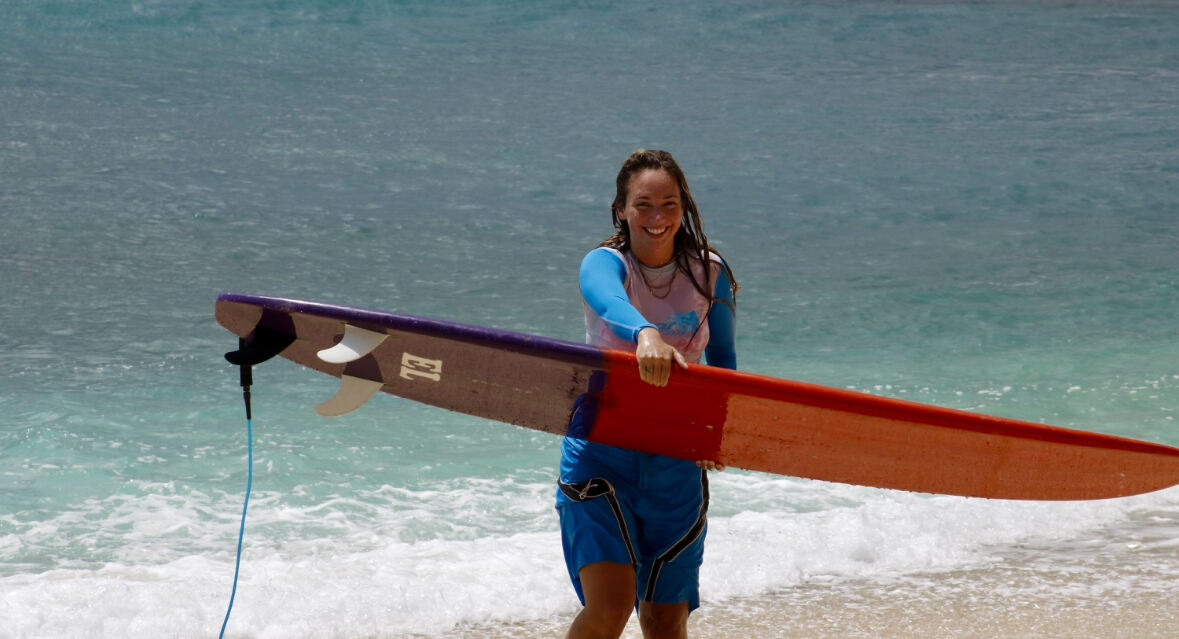
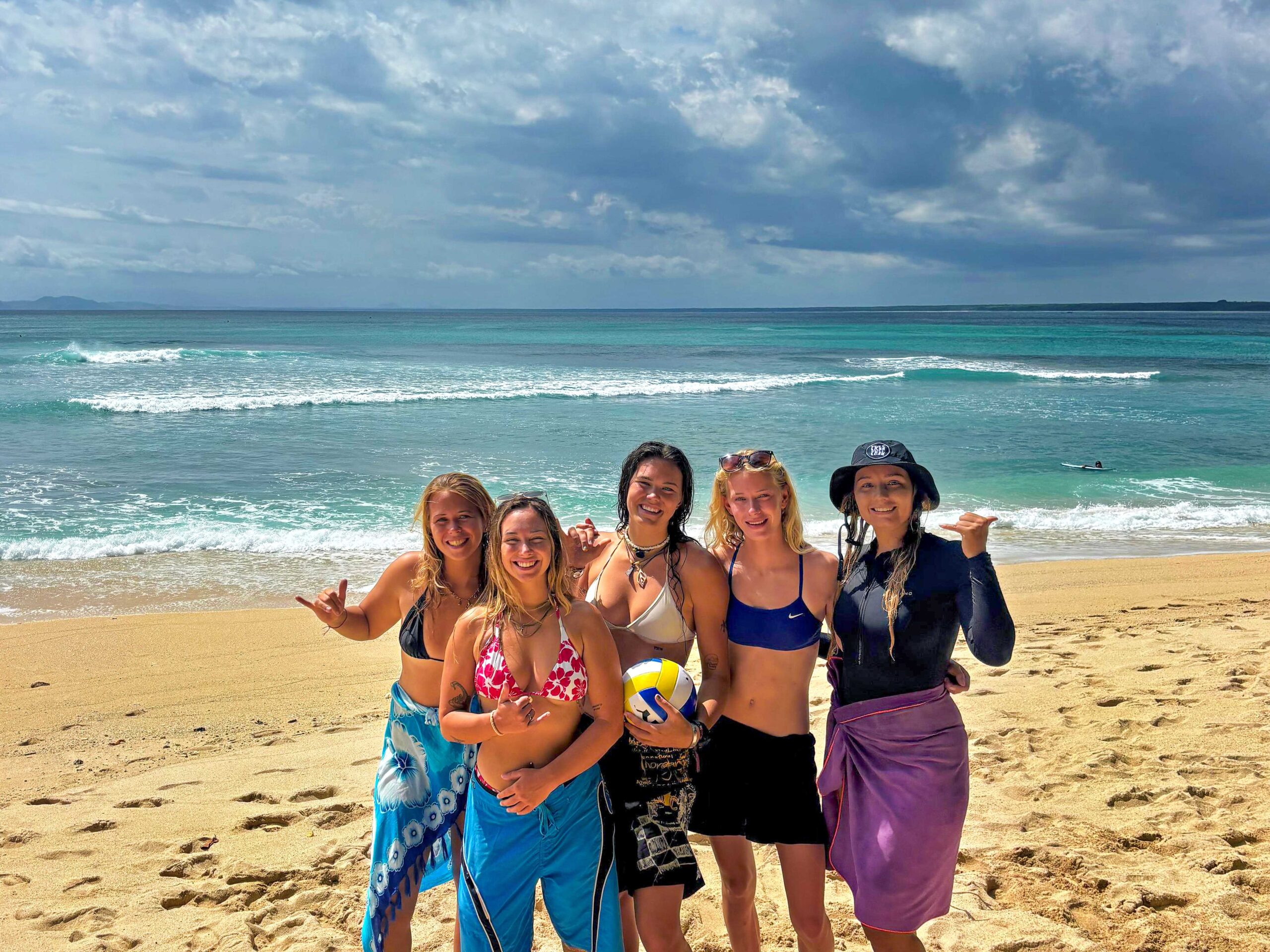
See what our life at Disini looks like
Good to know
FAQ
Everything you need to know before paddling out.
What’s included in my lesson?
Every lesson starts with a short theory session, followed by around two hours of surfing in the water. We include spot guiding, your surfboard and reef-safe sunscreen for your face. And if you need a ride, we’re happy to pick you up too.
Is the video coaching included in the lesson?
No, video coaching is an additional charge. You can add it to any lesson to review your surfing from the outside and get detailed feedback on what to work on next.
Can I book multiple lessons with a package?
Of course! In fact, we recommend it. The more you surf, the faster you progress. We offer a discount when you book multiple lessons, so you get more time in the water for less.
Where do we meet for the lesson?
It depends on the spot we choose for your level and the conditions on the day, so we’ll confirm the exact meeting point with you beforehand. And don’t worry about logistics. We’re always happy to pick you up.
Can I change my dates?
Absolutely. If your plans change, just send us a message on WhatsApp and we’ll rearrange your dates. No problem at all.
What should I bring?
Honestly, just good vibes and an open mind! We’ll take care of all the surf gear, so all you need to bring is your stoke and a willingness to learn.
How does the video coaching work?
Video coaching is available as an optional add-on for a small extra charge. We film your sessions and analyse your surfing in detail, carefully breaking down each wave to help you progress as fast as possible. Best of all, you get to keep all your videos as memories to look back on.
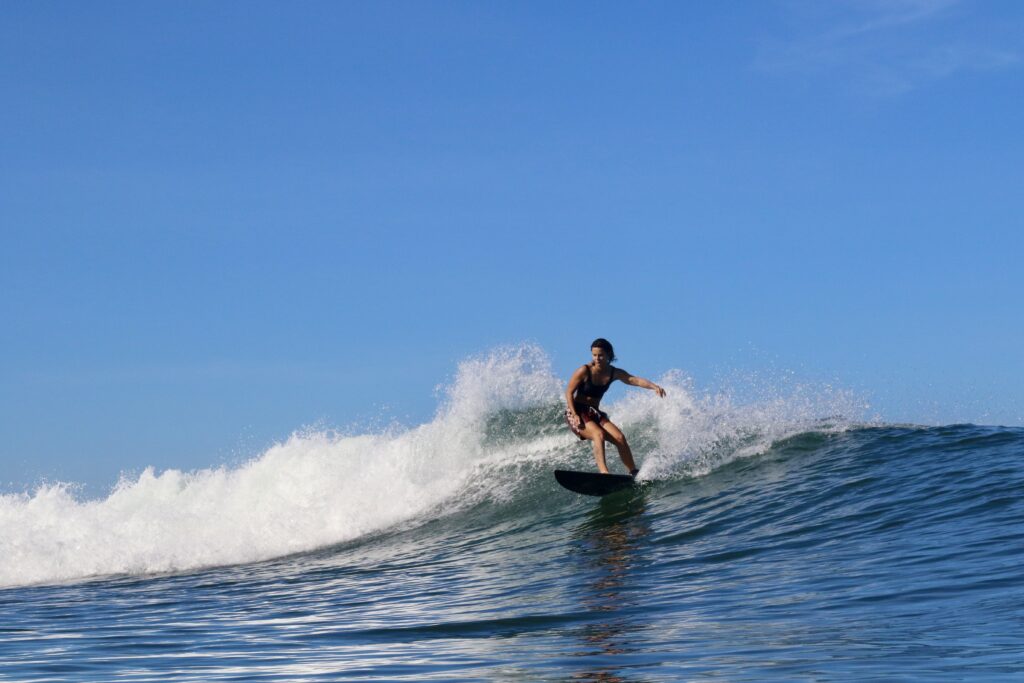
How to Find Us
✉ disinisurfhouse@gmail.com · 💬 +62 853-3808-7224 · 📍 Yeh Sumbul, Bali, Indonesia
Ready to paddle out?
Tell us your level and your dates. We’ll pick the right wave, the right board and the right plan for you.